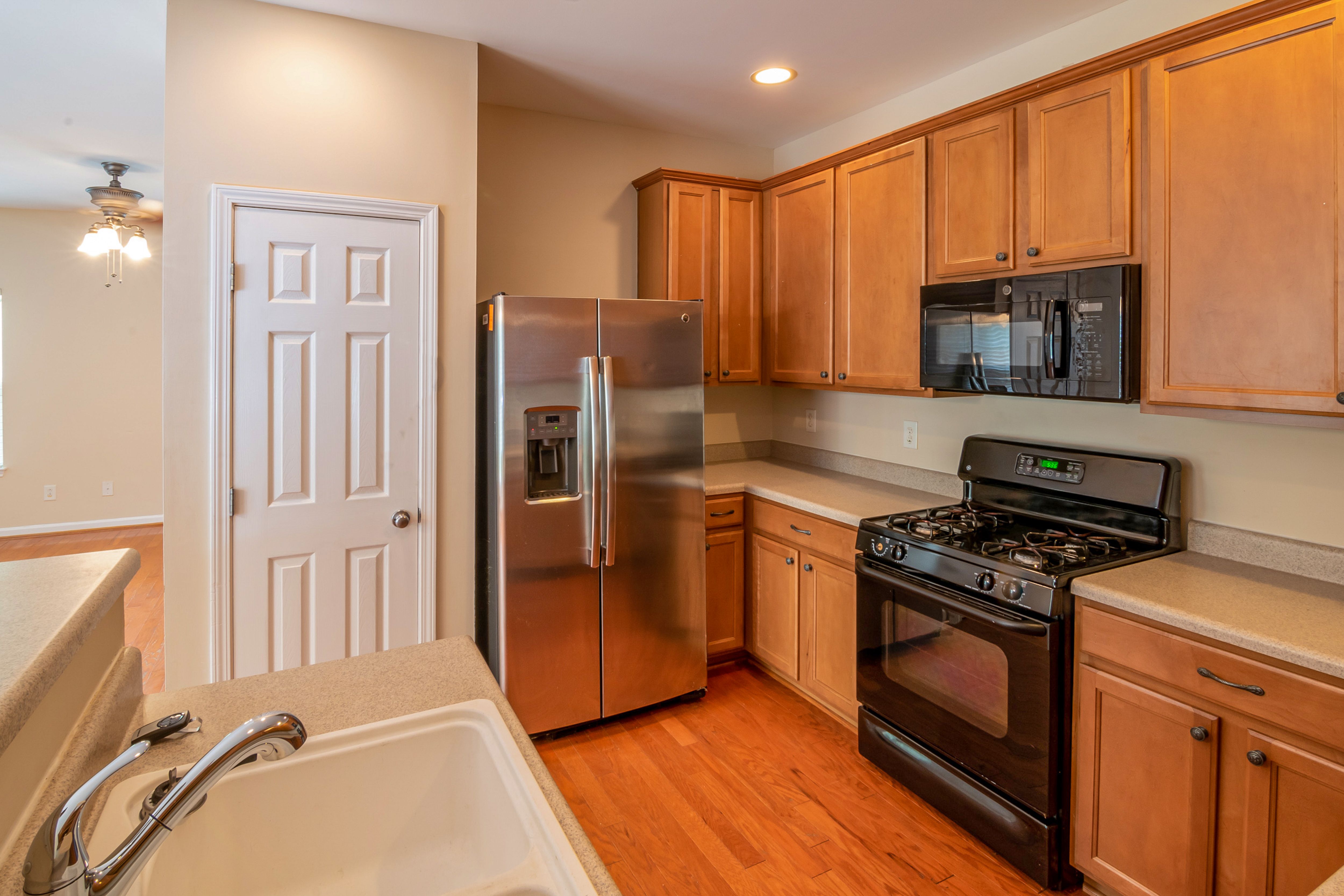
Knowing how to pack a kitchen for a move is the difference between a crew that walks in and gets to work, and a crew that stands in your doorway waiting while you wrap the last of your mugs. The kitchen takes longer than any other room — not because it's the biggest, but because almost nobody starts it early enough or packs it in the right order. This is the order that works.
Start Packing Your Kitchen Earlier Than You Think
Most people start packing their kitchen two or three days before the move. That's not enough time. A full kitchen — pots, pans, pantry items, small appliances, dishes, glasses, food storage containers, and the miscellaneous drawer you have been ignoring for four years — takes four to eight hours to pack correctly. More if you have a large kitchen or a lot of china.
Start one week out. That sounds like a lot, but you will not miss most of what you pack early. You can function on a few plates, one pot, and a pan for a week. Everything else can go into boxes now.
| When | What to pack |
|---|---|
| 2 weeks out | Stop buying pantry staples. Start eating down what you have. |
| 1 week out | Rarely-used appliances, seasonal items, specialty cookware, china, extra sets of dishes. |
| 3–4 days out | Most pantry items, pots and pans, most dishes and glasses, baking items, food storage containers. |
| Night before | Remaining dishes, small appliances like a toaster or blender, cleaning supplies under the sink. |
| Morning of | Coffee maker, whatever is left on the counter. Load your open-first box into your car. |
What Supplies You Actually Need
Kitchens need more packing supplies than any other room. Buy more than you think you need. Running out mid-pack and driving to the store costs time you do not have.
- Small boxes — for dishes, canned goods, and anything heavy. A large box of dishes will not make it off the truck in one piece.
- Medium boxes — for pots, pans, glasses, and pantry items that are not too heavy.
- Packing paper — not newspaper. Newspaper ink transfers onto your dishes. Buy unprinted newsprint or use white packing paper. Two to three reams for a full kitchen.
- Bubble wrap — for anything truly fragile: wine glasses, glass casserole dishes, items with thin stems or handles.
- Packing tape and a dispenser — not scotch tape. Boxes need real packing tape to hold. A dispenser saves your sanity.
- Plastic wrap — wrap it tightly around appliance doors to keep them from swinging open in the truck. Also good for sealing any bottles or containers with liquid.
- A black marker — label every box on the top and two sides before it gets stacked.
The Right Order — Cabinet by Cabinet
Most people pack whatever is closest to them first. That is how you end up with your everyday coffee mugs packed and your decorative casserole dish still sitting on the counter two days later. Work zone by zone, starting with what you use least.
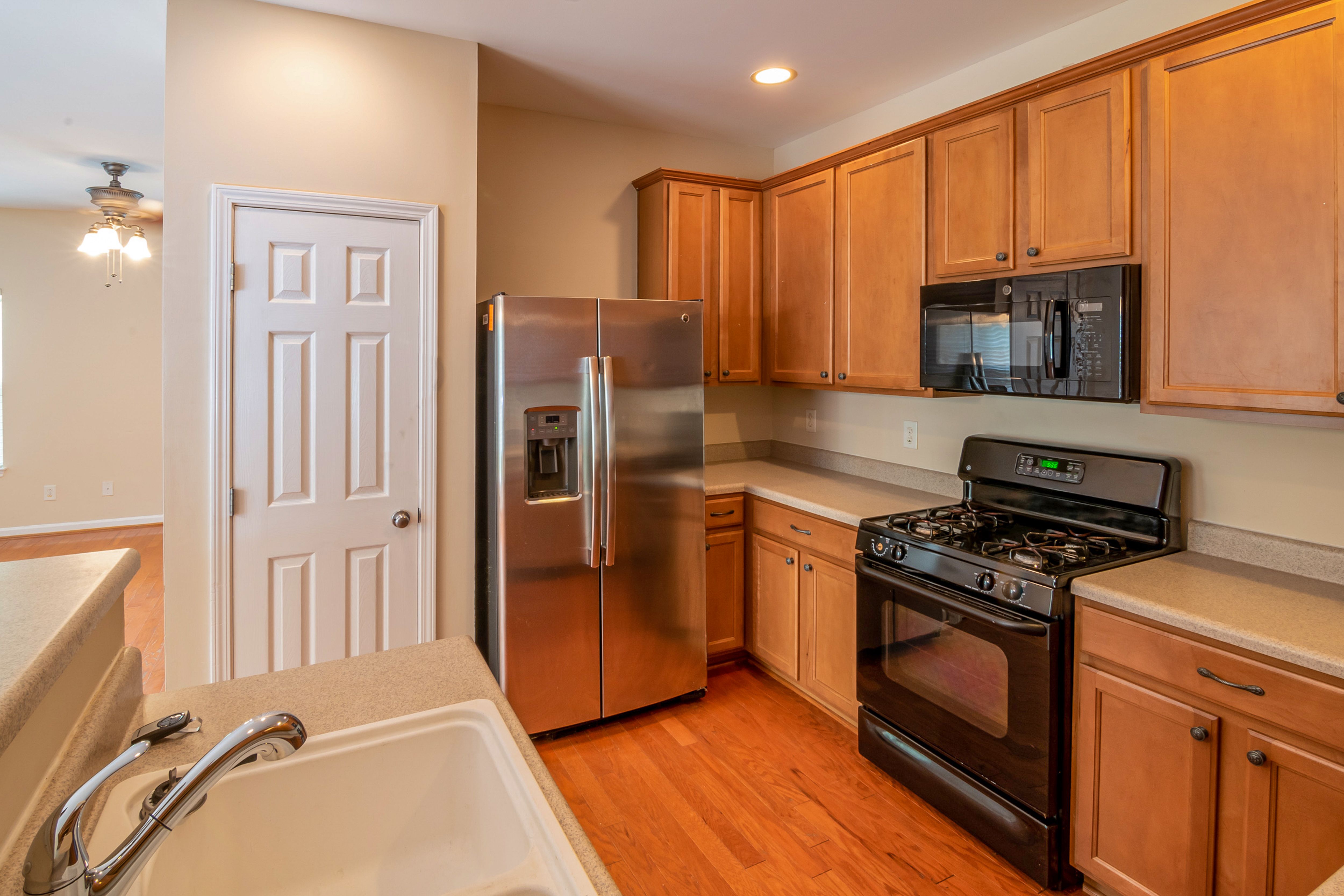
Start with the upper cabinets you never open
The holiday serving platters. The fondue set from 2018. The second blender you forgot you had. This stuff goes in boxes first because you will not miss it for the next week and it is usually bulky and awkward to pack under pressure.
Then the baking zone
Baking sheets, muffin tins, mixing bowls, the stand mixer if you have one. Most of this can go a week ahead. Wrap the stand mixer in moving blankets or wrap the bowl separately.
Then pots, pans, and the stove zone
Nest smaller pots inside larger ones. Place a sheet of packing paper between each one so they don't scratch. Lids can go in a separate box standing upright like records, with paper between each lid. This protects them and makes unpacking far easier.
Food storage containers
Honestly, this is a good moment to throw out anything without a matching lid. Nest containers inside each other and pack the lids flat in a separate layer. These are not fragile — they can go in any remaining space in a box.
Dishes and everyday glasses last
You need these until the night before. Pack them with one to two days left before the move. See the next section for how to pack them so nothing breaks.
How to Pack Dishes So They Don't Break
Dishes break flat. When you stack plates horizontally in a box and put weight on top, they crack under pressure. This is the most common packing mistake — and it is completely avoidable.
Pack plates vertically. Think of how a record store stores vinyl. Stand them on their edges in a box lined with a few inches of crumpled paper on the bottom. Wrap each plate individually in two sheets of packing paper — one to wrap, one to tuck around the edges. Stand them upright and fill any gaps with crumpled paper so nothing shifts.
"Dishes packed flat crack. Dishes packed on their edge survive. This is the one rule most people get wrong."
— VYV Moving TeamGlasses and mugs
Wrap each glass in two sheets of packing paper, tucking paper inside the glass itself before wrapping the outside. Stand glasses upright, never on their sides. Mugs can go in the same box as glasses if you wrap the handles separately with a strip of paper first.
The fragile box rule
Mark every side of your dish boxes — not just the top. Boxes get set on their sides during a move. If only the top says "fragile," a sideways box gives no warning. Write it on all four sides and the top with your marker, then do it again with a second color if you have one.
Dish packing checklist
- Line the bottom of the box with three inches of crumpled paper
- Wrap each plate individually — one sheet minimum, two for anything you care about
- Pack plates vertically, on their edges
- Fill all gaps with crumpled paper — nothing should shift when you shake the box
- Mark "FRAGILE" on all four sides and the top
- Keep dish boxes to 35–40 lbs max — small boxes only
- Never stack heavy boxes on top of dish boxes
Packing Small and Large Appliances
Small appliances: coffee makers, toasters, blenders
Use the original box if you still have it. If not, wrap in at least two layers of packing paper, then bubble wrap if it is glass or has delicate components. Secure the cord with a rubber band and tuck it against the appliance — do not let cords run loose in a box. Label the box with the appliance name so you know exactly where to look when you land in the new kitchen.
Large appliances: refrigerators, dishwashers, ranges
If your appliances are moving with you, your movers handle the disconnection, securing, and loading — but you need to prepare them ahead of time. Defrost your refrigerator 24 hours before move day. Leave the doors open once it's empty so it can fully dry. A refrigerator that arrives at the new home with water pooled inside is a problem on day one.
If you are in Stafford, Spotsylvania, or anywhere in the Fredericksburg corridor with a narrow doorway or a tricky layout, mention the appliances during your planning consultation. Appliances sometimes require door removal or additional crew — knowing ahead of time means no surprises on move day.
What to Do With Pantry Food
This is the question most people put off until two days before the move, and then they are standing in front of a full pantry with no plan. Here is the plan.
Eat it, donate it, or leave it
Those are your three options. Most pantry food is not worth the effort of packing and transporting. Canned goods are extremely heavy — a single box of twelve cans weighs close to 25 pounds. Open containers of spices, flour, sugar, or anything with a loose seal will spill in the truck. Movers will not transport open food or liquids.
Two weeks before your move, stop restocking. Make a meal plan around what you have. When the pantry is mostly clear, donate whatever sealed goods remain to a local food bank — there are several in the Fredericksburg area that accept canned goods and non-perishables.
If you must bring pantry items
Sealed cans only, packed in small boxes, labeled "heavy." Wrap any glass jars — pasta sauce, pickles, olive oil — in packing paper and pack them upright. Never on their sides. Double-tape the bottom of these boxes.
Your Open-First Kitchen Box
This box does not go on the truck. It travels in your car. It is the one box you open the moment you arrive at the new home — before the truck is even unloaded. Pack it last, and pack it deliberately.
Open-first kitchen box — what goes in it
- Coffee maker and enough coffee or pods for two days
- One pot and one pan
- A spatula and a few utensils
- One plate, bowl, cup, and fork per person in your household
- Dish soap and a sponge
- Paper towels
- A can opener if you kept any cans
- Snacks and water for move day
When the crew finishes and leaves, you will be exhausted. You will not want to hunt through thirty boxes to find a fork. This box means you can make coffee, eat something real, and deal with the rest of the unpacking tomorrow.
If you want your new kitchen fully planned before you unpack it — where everything goes, how the crew will set it up — that is something we build into your moving plan ahead of time. Tell us during the consultation and we will make sure the kitchen is the first room set up, not the last.
Frequently Asked Questions
How long does it take to pack a kitchen for a move?
A typical kitchen takes four to eight hours to pack properly, depending on how many cabinets, appliances, and pantry items you have. Most people underestimate this by half. Plan for a full day if your kitchen is large, and start at least one week before moving day.
What supplies do I need to pack a kitchen?
Small and medium boxes, packing paper (not newspaper), bubble wrap for fragile items, packing tape with a dispenser, a permanent marker, and plastic wrap for appliance doors and liquids. For full china sets or lots of glassware, dish pack boxes with dividers are worth the rental cost.
How do you pack dishes so they don't break?
Pack them vertically — on their edges, like vinyl records — never flat. Flat plates crack under pressure. Wrap each one individually in packing paper, stand them upright in a small box, fill gaps with crumpled paper, and mark all four sides and the top as fragile.
Should I pack pantry food when I move?
In most cases, no. Eat down your pantry in the two weeks before the move and donate what remains. Canned goods are very heavy, open containers spill, and movers won't transport liquids or open food. If you bring sealed cans, pack them in small boxes only and label them heavy.
Do movers pack the kitchen for you?
Some companies offer packing services for an additional fee. VYV can discuss this during your in-home consultation. If you pack yourself, the kitchen needs to be fully sealed when the crew arrives — open boxes and loose items slow every room in the house.
What should I pack last in the kitchen?
Your open-first box — coffee maker, one pot, one pan, a set of utensils, and enough dishes for each person for two days. This box travels in your car, not on the truck, and gets opened the moment you arrive. Everything else goes into boxes the night before or the day of.